

From emerging technologies to sustainable trade, regional cooperation is helping accreditation respond to new needs.
Across the Arab region, businesses, regulators and communities face a common challenge: how can they trust the evidence behind increasingly complex products, services and technologies? As economies embrace digital tools and pursue sustainable development, accreditation has an important role in making that evidence credible and usable across borders.
The Arab Accreditation Cooperation (ARAC) is responding by bringing national accreditation bodies together around shared technical requirements, competence and mutual recognition. This cooperation helps laboratories, inspection bodies and certification bodies demonstrate that their work meets internationally accepted requirements. For exporters, it can reduce unnecessary duplication of conformity assessment; for regulators and consumers, it supports confidence in safety, quality and reliable information.
One important area of change is the growing demand for trustworthy services in new technical fields. ARAC has approved the development of regional multilateral recognition arrangements for biobanking (based on ISO 20387), and for validation and verification (based on ISO/IEC 17029). These initiatives are still being developed, but they aim to strengthen confidence in the handling of biological materials and in independently verified claims—capabilities with potential relevance to research, sustainability and public policy.
ARAC is also addressing the opportunities and risks of artificial intelligence. Its members have agreed to develop a regional policy and guidance on responsible AI use in accreditation, with attention to human accountability, confidentiality, information security and verification of AI-generated outputs. The goal is to benefit from innovation without compromising independent, competent decisions.
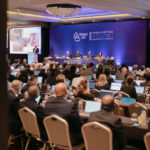
Cooperation is already producing practical results. In April 2026, the Saudi Accreditation Center expanded its ARAC MLA recognition to reference material production and certification of persons. In June, the Seventh Arab Accreditation Week brought together more than 400 participants from the region and beyond to exchange knowledge on inspection, personnel certification, information security and AI.
The next step is to turn these shared initiatives into measurable benefits for businesses, public authorities and society. Through its 2026–2030 strategy, ARAC is working to make accreditation more responsive to emerging needs—and to ensure that confidence built through regional cooperation has impact well beyond the accreditation community.